Evaluating a Hand-drawn Christian Graphic for Crafts
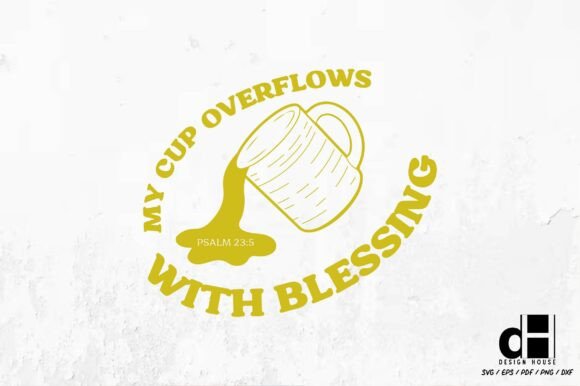
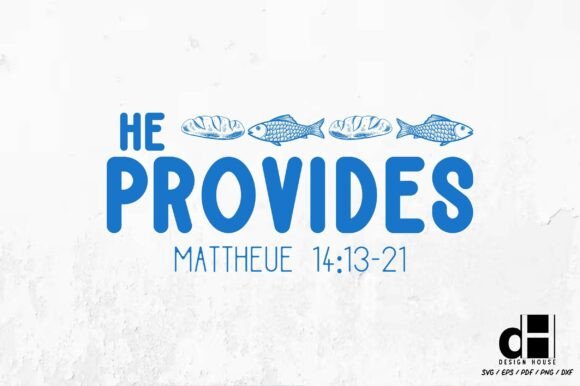
When a new design asset lands in your library, the first test is always a gut check. Does it feel like a tool or a distraction? Opening the files for the Christian Hand-drawn Provide SVG PNG set, my immediate impression was one of warm, approachable authenticity. This isn't a cold, vector-perfect graphic; it’s an illustration that carries a gentle, human touch. The hand-drawn style evokes a sense of care, tradition, and personal connection. For a designer tasked with branding a small, handmade business—an Etsy shop selling faith-based crafts, a local boutique with a heart-led mission, or a family-run product line—this asset immediately suggests a visual direction. It feels built for projects where the brand story needs to be felt, not just read.
The Hand-drawn Style as a Brand Mood Maker
This graphic design asset creates a specific mood: sincere, crafted, and intentionally informal. It leans away from corporate polish and towards personal expression. In real client work, that mood is invaluable. Imagine applying it to product labels for handmade soaps or candles, as a central motif on packaging for a bakery’s seasonal gift boxes, or as the hero visual for a community event’s posters and invitations. It naturally fits projects targeting an audience that values authenticity over slickness. For a marketer or content creator building a visual identity around “handmade,” “heartfelt,” or “community,” this PNG and SVG set provides a ready-made emotional anchor.
Where This Design Asset Excels in Practical Application
Let’s walk through the real design situations where Christian Hand-drawn Provide SVG PNG can elevate a project.
- Packaging Design & Product Labels: The hand-drawn quality adds a craft-grade feel. On a jar, box, or tag, it communicates care before the customer even opens the product.
- Merchandise & Apparel: For t-shirt designs, tote bags, or mugs, especially in the print-on-demand space, the illustration style reads well as a standalone decorative element. Its organic lines work beautifully with soft fabrics.
- Social Media Graphics & Campaign Visuals: As a focal point in Instagram posts, Pinterest pins, or digital ads for a seasonal campaign, it draws the eye with its texture. It can help a blog visual or editorial piece feel less generic.
- Cricut Projects & Printable Designs: For crafters and digital sellers, the provided SVG file is key. It enables clean cutting for stickers, wall art, or invitation details, translating the hand-drawn look into a precise physical product.
- Supporting Brand Elements: It shouldn’t be the logo itself, but it can be a powerful secondary brand mark. Used on website graphics, in email headers, or as a recurring decorative accent in a brand’s visual suite, it builds consistent warmth.
Navigating the Limitations: A Designer's Due Diligence
No asset is universally perfect. Professional use means knowing where to deploy it and where to pause. Here, the hand-drawn, illustrative nature dictates its constraints.
- Small Sizes & Crowded Layouts: At tiny scales, the delicate details and organic lines can blur or become visual noise. Avoid using it in footers, tiny icons, or complex compositions where clarity is paramount.
- Minimalist or Corporate Branding: If the client’s brand voice is ultra-modern, sleek, or corporate, this asset will clash. It belongs to a different design language.
- Low-Contrast Environments: Placing it on a busy, textured background can dissolve its impact. It needs a clear field—either a light or dark solid backdrop—to stand out.
- Primary Logo & Clean Hierarchy: Due to its decorative weight, it shouldn’t serve as the main logo for a business requiring stark, immediate recognition. It’s a mood-setter, not a typographic identity.
Impact on Readability, Trust, and Professional Polish
Using such an asset affects a project’s perceived professionalism. When aligned with the right brand, it enhances visual trust by signaling authenticity. For a handmade business or a craft-focused blog, that authenticity translates directly into audience engagement and emotional appeal. However, if misapplied—say, on a formal financial report—it would damage credibility. The key is brand consistency: this graphic must feel like a natural extension of the brand’s story. It improves polish when it solves a specific mood problem; it reduces polish when it’s used as a generic clipart filler.
Practical Designer Notes Before Client Use
Before committing this asset to a real client project, run these checks. They separate hobbyist use from professional design work.
- Test Scalability: Open the SVG file. Check how it edits and scales. Vector format is ideal for resizing across packaging and merchandise mockups.
- Check Contrast & Color: Place the PNG on both light and dark background mockups. Does it hold its presence? Also, test a black-and-white version for potential single-color print applications.
- Preview in Context: Drop it into a real layout—a product label mockup, a t-shirt template, a social media frame. See how it interacts with your typography (it pairs well with simple sans-serif or classic serif fonts for balance; avoid pairing with another script font).
- Assess File Formats: The bundle includes EPS and SVG color files. Confirm which format your production process requires for printing, cutting, or web use. The PNG’s transparency should be inspected for clean edges.
- Verify Commercial Licensing: This is critical. As the description notes its unique and creative origin, ensure the license explicitly permits use in commercial client projects, print-on-demand, and digital selling before finalizing any design.
Ultimately, Christian Hand-drawn Provide SVG PNG is a specialized tool. For designers and brand owners working in the crafts sphere, faith-based marketing, or any niche where a human touch is the main selling point, it’s a valuable digital product. It provides a shortcut to a specific, warm aesthetic that can be hard to create from scratch. But like any good tool, its value is unlocked by thoughtful application—knowing the project it fits, testing its limits, and ensuring it serves the brand’s story, not just decorates a page. In the right hands, for the right client, it moves a design from generic to genuinely crafted.