Mug of Tea Line Art Graphics for Crafts & Printables
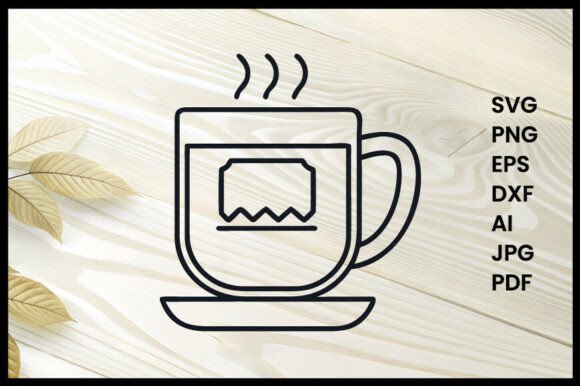
Opening this mug of tea line art design, my first impression is that it’s a clean, versatile minimalist illustration. The hot drink mug with the calendar icon suggests a niche but clear appeal: it’s for planners, organizers, tea lovers, and anyone marking a date. The mood is calm and functional, leaning toward a modern, decorative style that feels more commercial than handmade. It doesn’t scream playful or festive; it’s a straightforward graphic design asset with a purpose. This visual personality will attract buyers looking for clean, usable artwork rather than ornate decoration.
Testing the Design Across Product Possibilities
Before I list anything in my shop, I test a new digital product across several formats. For this mug of tea line art, I’d immediately place it into a real product mockup. A simple SVG design like this is a core asset for a digital seller. Its strength is adaptability. I envision using it for:
- SVG products for Cricut projects like planner stickers and vinyl decals.
- PNG designs for printable wall art and sublimation designs for mugs and tumblers.
- Clipart bundles for scrapbooking kits and digital paper packs.
- Greeting card and invitation templates, especially for tea-themed events.
- T-shirt graphics and tote bag prints via print-on-demand services.
- Simple Canva templates for social media graphics or blog headers.
The key is to see how it scales. On a large product preview, like a mockup of a 12" x 12" print, the minimalist lines should remain crisp. In a thumbnail for an Etsy product listing, the icon needs to be recognizable even when small. This is where its simplicity pays off.
Where This Asset Elevates Product Presentation
A well-executed illustration like this mug of tea line art can significantly boost the perceived value of your online collection. When used consistently across a themed bundle—say, a “Tea Time Planning” kit with matching icons—it builds brand consistency. For product presentation, it excels in:
- Creating clean mockup previews that look professional.
- Enhancing thumbnail appeal with a clear focal point.
- Supporting visual storytelling in listing images (show the mug art on a real planner, on a ceramic mug, on a t-shirt).
- Increasing customer trust by showing a versatile, high-quality graphic.
Its instant download nature means you can move fast, but speed shouldn’t replace testing. A professional-looking online product collection isn’t about quantity; it’s about curated assets that work reliably.
Practical Applications and Best Use Cases
In my experience, this graphic design asset works best in layouts where its simplicity is an advantage. Think large printable products like wall art, where the minimalist illustration won’t get lost. It shines in merchandise graphics for print-on-demand, where a single, clear image translates well to fabric or ceramics. For social media promos and blog graphics, it can serve as a clean accent. In creative marketplace listings on Etsy or Creative Fabrica, it could anchor a broader digital download bundle focused on productivity or cozy themes.
Pairing it with typography is crucial. I’d test it with a clean sans serif font for a modern look, a friendly script font for a more personal touch, and even a bold display font for promotional visuals. The calendar icon invites text integration—dates, phrases like “Schedule Your Tea Time”—making it a flexible component for packaging design or small business branding.
Caution Points and Seller Checks
However, there are places where this mug of tea line art should be used carefully. Its minimalist nature means detail is limited. Avoid:
- Tiny sticker details where the calendar icon’s lines might become too thin.
- Overly complex layouts that could overshadow the clean graphic.
- Low-resolution print products; always confirm the file resolution is sufficient for your output size.
- Crowded thumbnails where it competes with too many other elements.
- Dark backgrounds without testing; a white line art design needs strong contrast.
If you’re selling SVG files for Cricut or Silhouette projects, you must inspect the SVG cut quality. Are the lines continuous and clean? Are there any stray nodes? This is a critical step before selling finished products to ensure customer satisfaction.
Final Seller Notes Before Publishing
My process before publishing any listing with this asset involves a checklist. First, I test the design on real mockups across several products: a mug mockup, a t-shirt mockup, a printable PDF. I preview it as a marketplace thumbnail at 50% size to gauge clarity. I check how it looks on both white and dark backgrounds to ensure versatility. For print, I test color outputs—does it look sharp in black, or would a colored version work better?
I verify the PNG transparency is clean, with no residual white pixels. I organize the files clearly for customers, labeling them appropriately (SVG, PNG, etc.). Crucially, I confirm the commercial licensing of the original asset to guarantee I can sell my derived products. Finally, I consider its role in visual hierarchy. This mug of tea line art design is a supporting asset. It won’t carry a product alone, but within a well-designed template or bundle, it adds meaningful, saleable value. For crafters, digital product creators, and creative entrepreneurs, it’s a practical, business-minded addition to a library of commercial design assets.
Ultimately, its value lies in its utility. It’s not a hype-driven graphic; it’s a functional illustration. When integrated thoughtfully into product mockups, seasonal collections, or brand identity materials, it helps build a more cohesive and trustworthy shop presence. That realism—knowing exactly where an asset fits and where it doesn’t—is what separates a hobbyist from a professional digital seller.